impact area
Veterinary Medicine
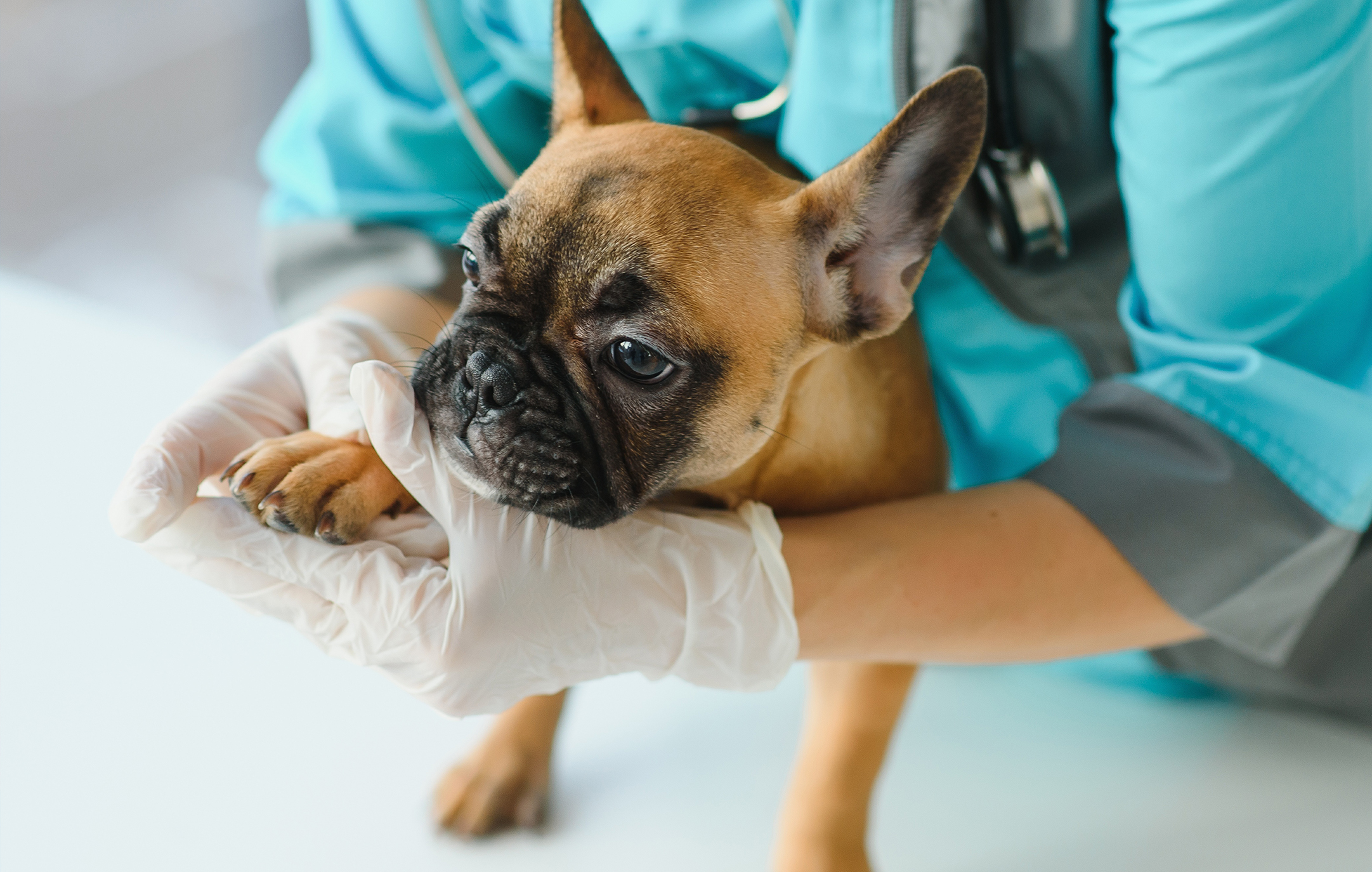
Veterinary medicine and comparative oncology play a vital role in advancing cancer research for both humans and animals. Studies in pet animals help improve outcomes for veterinary patients while providing insights into cancer biology, treatment response, and diagnostic strategies that benefit both species.
CANCER RESEARCH ACROSS SPECIES
Comparative oncology
Comparative oncology offers a unique lens for understanding cancer by focusing on how the disease develops and behaves across species. At the Purdue Institute for Cancer Research (PICR), this work is foundational to advancing innovative strategies that bridge scientific disciplines and benefit both veterinary and human medicine.
Where veterinary and human medicine meet
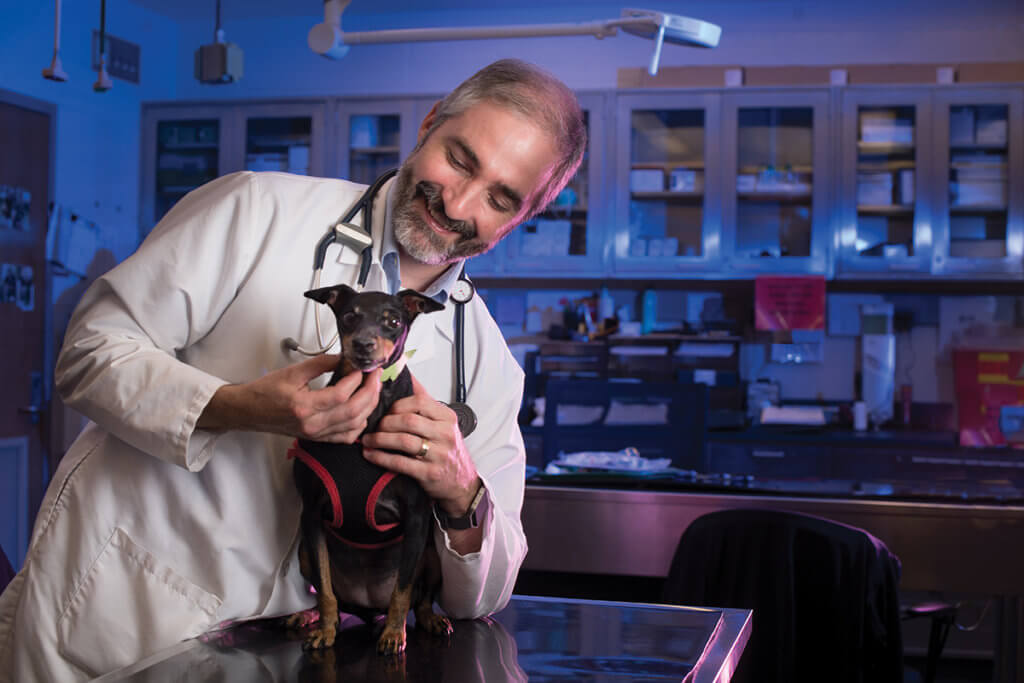
Many cancers in animals share key biological characteristics with those in humans, making companion animals—especially dogs—valuable partners in cancer research. By studying naturally occurring cancers in veterinary patients, researchers can better understand how tumors grow and respond to treatment, thereby accelerating the development of new therapies that benefit both species.
This approach reflects Purdue’s One Health vision, which recognizes the deep connections between human, animal, and environmental health. Through comparative oncology, PICR scientists are advancing discoveries that support better outcomes for pets and people alike.
Improving health for people and their pets
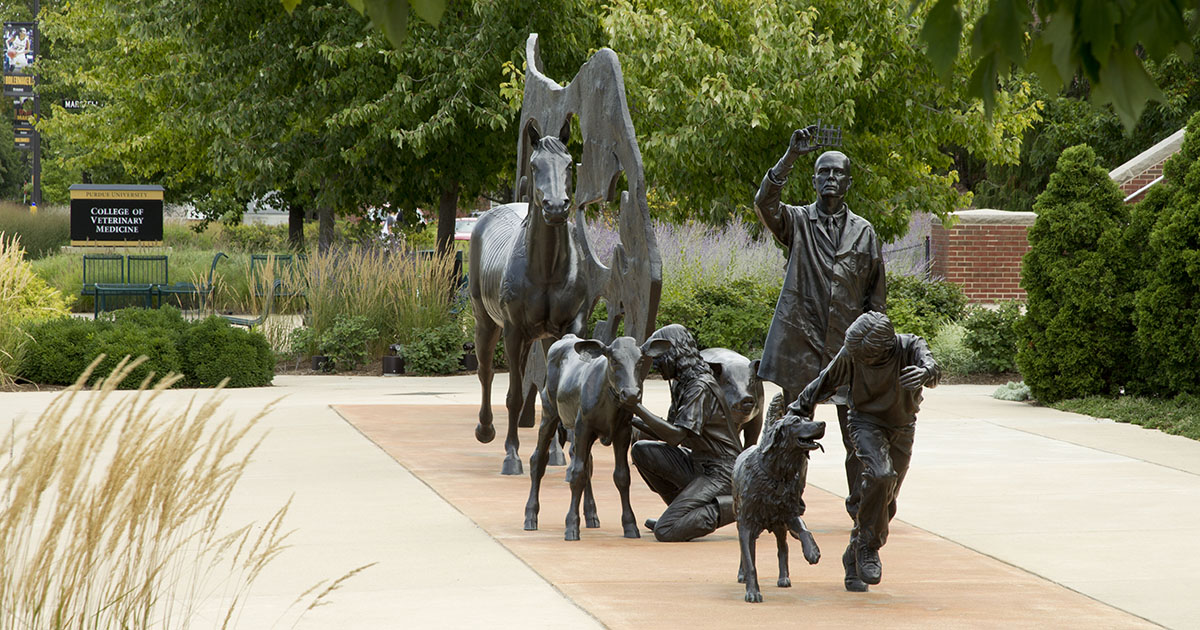
A close connection between the Purdue Institute for Cancer Research (PICR) and the College of Veterinary Medicine make veterinary oncology a core part of our research enterprise. Many of our scientists hold joint appointments across both units and lead studies in pet animals with naturally occurring cancers—providing unique insight into tumor biology, treatment response, and disease progression. This work informs clinical care for animal patients while driving discovery that translates directly to human oncology, accelerating progress through shared biology across species.
advancing care
Clinical trials in veterinary medicine
Veterinary clinical trials at Purdue do more than test new therapies. They offer hope to pets facing cancer and generate insights that can improve treatment for people as well. Led by pioneers like Dr. Deborah Knapp, these trials evaluate promising immunotherapies and other advanced treatments in dogs with naturally occurring cancers. Because these cancers closely resemble those in humans, each study helps researchers understand how therapies perform in real-world conditions, accelerating progress across species.
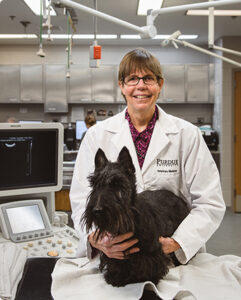
We’re part of a seamless research pipeline, from bioinformatics and bench science to clinical trials in dogs and humans. At every step, we’re asking how we can move discoveries forward to benefit patients. That’s what makes this model so powerful—it’s collaborative, translational, and grounded in science that helps both animals and people.
Deborah Knapp
Associate Director of Clinical Comparative Oncology, PICR; Director, Evan and Sue Ann Werling Comparative Oncology Research Center
ACTIVE TRIALS
Learn more about current oncology clinical trials
RESEARCH IMPACT
Turning veterinary insights into cancer solutions
Through veterinary studies in animals with naturally occurring cancers, Purdue researchers are revealing how tumors develop, resist treatment, and respond to new therapies. These insights fuel advances in drug development, early detection, and prevention for patients in both veterinary and human medicine.
unique expertise

Specializing in tools that destroy tumors
Dr. Nikolaos Dervisis and Dr. Shawna Klahn, both associate professor of oncology, hold joint appointments in the College of Veterinary Medicine and PICR, where they lead translational efforts in tumor ablation technologies. Their work integrates clinical service with research, using advanced ablation techniques such as microwave and cryoablation to destroy tumors in companion animals. The team’s shared mission is to advance minimally invasive, image-guided therapies that bridge the gap between laboratory discovery and patient care.

Trailblazing resilience in veterinary cancer care
Dr. Marejka Shaevitz, a clinical assistant professor of oncology, brings deep clinical expertise and a personal connection to the fight against cancer. Shaevitz holds joint appointments in the College of Veterinary Medicine and PICR, where she leads and supports clinical trials focused on improving cancer care for dogs. Since joining Purdue, she has increased trial enrollment and expanded access to investigational therapies through Purdue’s veterinary hospital. Her efforts help evaluate new treatment options for companion animals and generate critical data that informs translational research.
success stories
In the spotlight
Explore how Purdue Institute for Cancer Research investigators in veterinary medicine are advancing studies that benefit both animals and people. These spotlights showcase groundbreaking discoveries, innovative treatments, and cross-species insights that are reshaping how cancer is understood and addressed.
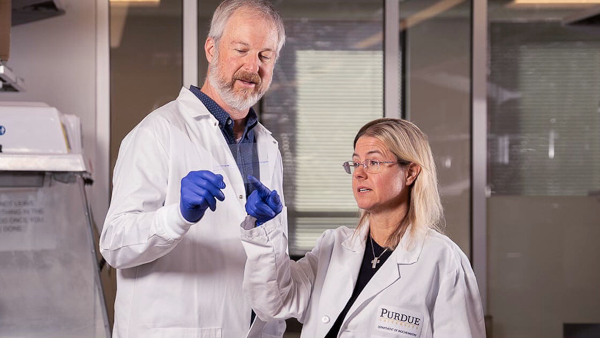
Translational research advances search for new lung cancer therapies
PICR investigators are exploring new treatment options for aggressive cancers such as small-cell lung cancer. Bennett Elzey and Elizabeth Tran co-led a study testing the small-molecule drug Supinoxin in human cell lines and an animal model, highlighting how veterinary insights contribute to translational cancer research.
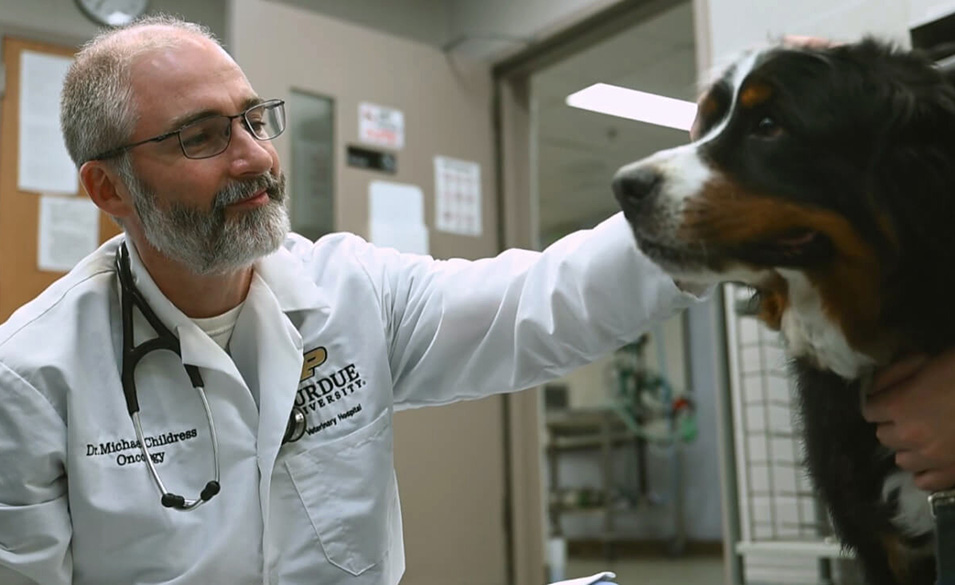
Veterinary college research syncs with Purdue One Health Initiative
Purdue’s One Health Initiative highlights the College of Veterinary Medicine’s close collaboration with PICR. Dr. Michael Childress develops canine lymphoma therapies to improve the lives of pet dogs, while generating insights that advance cancer treatment for people.

Research by Andrisani (now emerita) sheds light on liver cancer treatment
For Ourania Andrisani, distinguished professor emerita of basic medical sciences, understanding the complexities of liver cancer was a defining passion throughout her career. Recent work from Andrisani marks a critical step toward developing more effective treatments for this devastating disease.

Cancer bioinformatics
Cancer bioinformatics is transforming how researchers study cancer by making it possible to analyze vast amounts of genetic and molecular data. These tools reveal patterns that explain how cancers start, grow, and respond to treatment, helping scientists identify biomarkers, drug targets, and new strategies for precision therapies. Nadia Atallah Lanman, manager of the PICR’s Collaborative Core for Cancer Bioinformatics (C3B), provides computational expertise that supports cancer research across Purdue.
By comparing genetic similarities between animal and human cancers, Lanman and other PICR researchers are identifying shared biomarkers and targets that improve treatments for pets and contribute to better therapies for people. This data-driven approach strengthens the One Health initiative, which links animal and human health through collaborative research.
healing pets, helping people
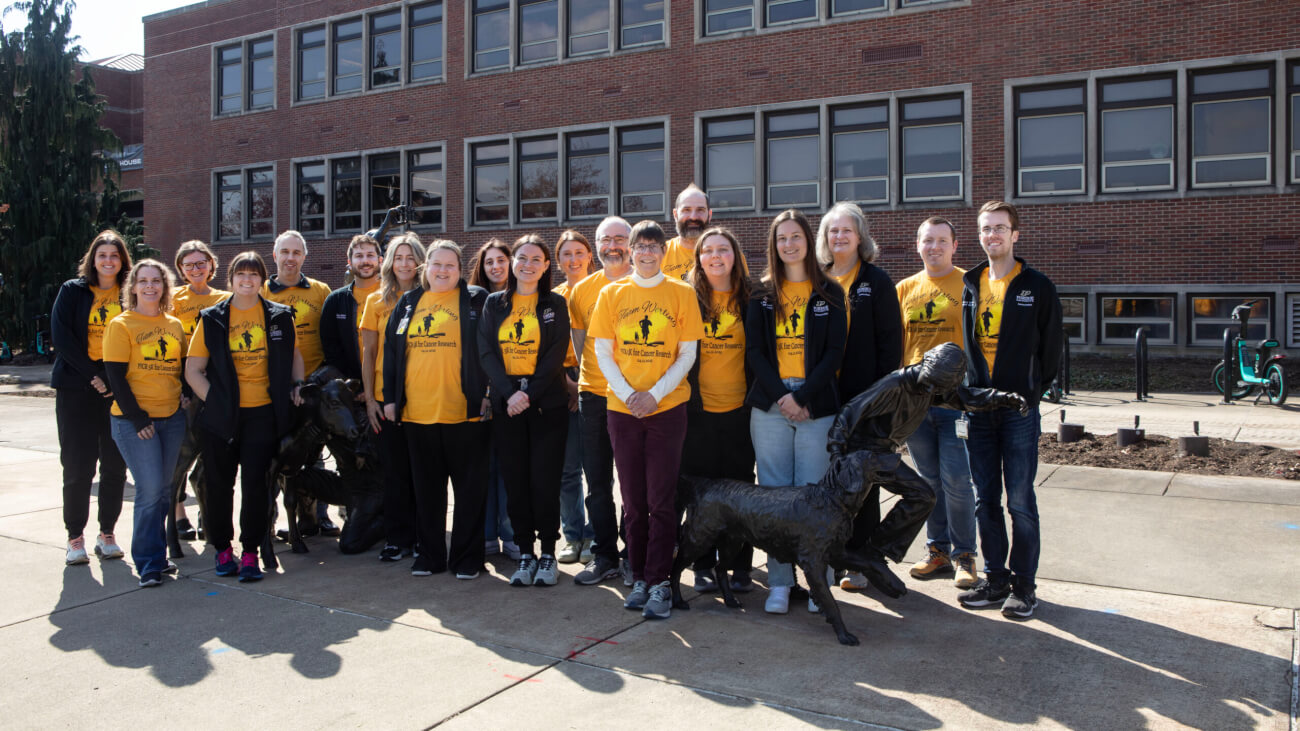
Evan and Sue Ann Werling Comparative Oncology Research Center
The Werling Comparative Oncology Research Center conducts research and clinical trials to further our understanding and treatment of cancer, improving the outlook for pet animals and people. The Werling Center operates within Purdue’s College of Veterinary Medicine. Its director is Dr. Deborah Knapp, whose research has led to giant leaps in survival times and treatment methods for dogs with bladder cancer.
YOU CAN FUEL RESEARCH THAT FIGHTS CANCER
Support research that drives cancer breakthroughs for pets and people.
Contact Us
Get in touch
Phone: 765-494-9129
Fax: 765-494-9193
Email: cancerresearch@purdue.edu
Meet our team
Find us
201 S. University St.
Hansen Life Sciences Bldg, Rm. 141
West Lafayette, IN 47907